
Yvette River walk
Walk along the Yvette: the best stretches for walking along the water's edge
The charm of the Yvette lies in its variety over what is ultimately a short distance: here a peaceful river gliding between gardens, there a wilder stretch lined with alders and willows, further on ponds, footbridges, mills, wetlands, then open meadows and forest edges. All this with, very often, the possibility of setting off on foot from a train station, planning your own outing, and returning without having to take your car.
In this article, I offer you a selection of the most enjoyable sections along the Yvette (and a few variations on the hillsides), with specific details: atmosphere, duration, access, best times, and tips for avoiding the less pleasant sections. The idea is not to list all the possible loops, but to highlight the most rewarding segments, the ones you'll want to do again.
Section 1: Saint-Rémy-lès-Chevreuse → Chevreuse, the unmissable postcard view
If you had to choose just one part of the valley to keep, it would be this one. It has everything that makes the Yvette so special: water always close by, easy paths, alternating shaded areas and clearings, and an arrival in Chevreuse that makes you want to linger for a gourmet break.

The trail is ideal for a leisurely 1- to 2-hour walk, depending on detours, stops, and how long you want to linger. The surroundings are generally accessible to everyone (families, Sunday walkers), with a low level of difficulty. After a period of rain, some sections may be muddy: waterproof shoes are recommended.
To organize logistics (especially the car-free version), you can refer to this very useful article: RER itinerary for a green getaway.
Why this section is the best first choice
Because it combines three rare qualities: easy access, an immediate bucolic atmosphere, and a feeling of disconnection. You walk at water level, cross small bridges, skirt meadows, and feel the valley gently narrowing between the hillsides. At the end of the day, the low light is particularly beautiful.
Section 2: Chevreuse → wooded corridors and wet meadows (more natural version)
From Chevreuse onwards, the valley becomes more secluded and green, with sections that give the impression of being far from inhabited areas. This is the section to choose if you are looking for more nature than heritage, while still remaining on an accessible walk.
You can do this as a round trip (the simple solution) or by connecting hillside paths to form a loop. The advantage of this is that it allows you to vary the textures: riverbanks, small grassy paths, shaded sections. For those who enjoy photography, the reflections and vegetation on the riverbanks are often very inspiring, especially in spring and early fall.
Ambience tip
Leave early in the morning: the valley is quieter, the birds are more active, and the feeling of a secret ribbon of water is heightened tenfold. In hot weather, it is also the most comfortable time to enjoy the shade.
Need a vacation rental in the 78? Book directly!
Section 3: The Yvette hillside, the panoramic route (when you want to gain some height)
Walking along the water's edge is soothing. But to understand the valley, nothing beats climbing the hillside: you gain elevation, change your perspective, and alternate between open views and wooded areas. This is often where the outing becomes more athletic (without being a mountain hike), with an immediate visual reward.
For a well-structured lesson plan on this topic, here is a useful resource: Circuit 5 – The Yvette hillside. It can help you choose a coherent route, especially if you want to combine valleys and heights without improvising.
When to choose this option rather than the valley floor
If the riverside paths are very muddy after heavy rain, the hillside can sometimes be more passable. And if you're looking for a workout with a view (and a real sense of elevation), this is definitely the best approach.
Section 4: Yvette Valley → Saclay Plateau, the most surprising contrast
This section (or transition) is worth the detour for its contrast: you go from a rather intimate valley floor to more open, sometimes brighter spaces, with a feeling of breathing space once you reach the plateau. It's a great idea when you've already explored the classic riverbanks and want to renew the experience.
The route often alternates between farmland, forest edges, transition zones, and more distant viewpoints. For an inspiring itinerary suggestion, you can consult: Hike from the Yvette Valley to the Saclay Plateau.
What you need to know before you go
The plateau can be more exposed to wind and sun: bring water, a hat in summer, and a windbreaker in spring/fall. In terms of enjoyment, it's a perfect route when you want a longer loop walk with a variety of landscapes.
Section 5: Landscaped edges and footbridges, easy (and highly adaptable) exit
Certain sections of the Yvette are particularly easy to follow thanks to stabilized paths, footbridges, and well-maintained sections. These segments are ideal for short outings, getting back into shape, or family walks with children. The advantage is that you can turn back whenever you want and adjust the distance without any hassle.
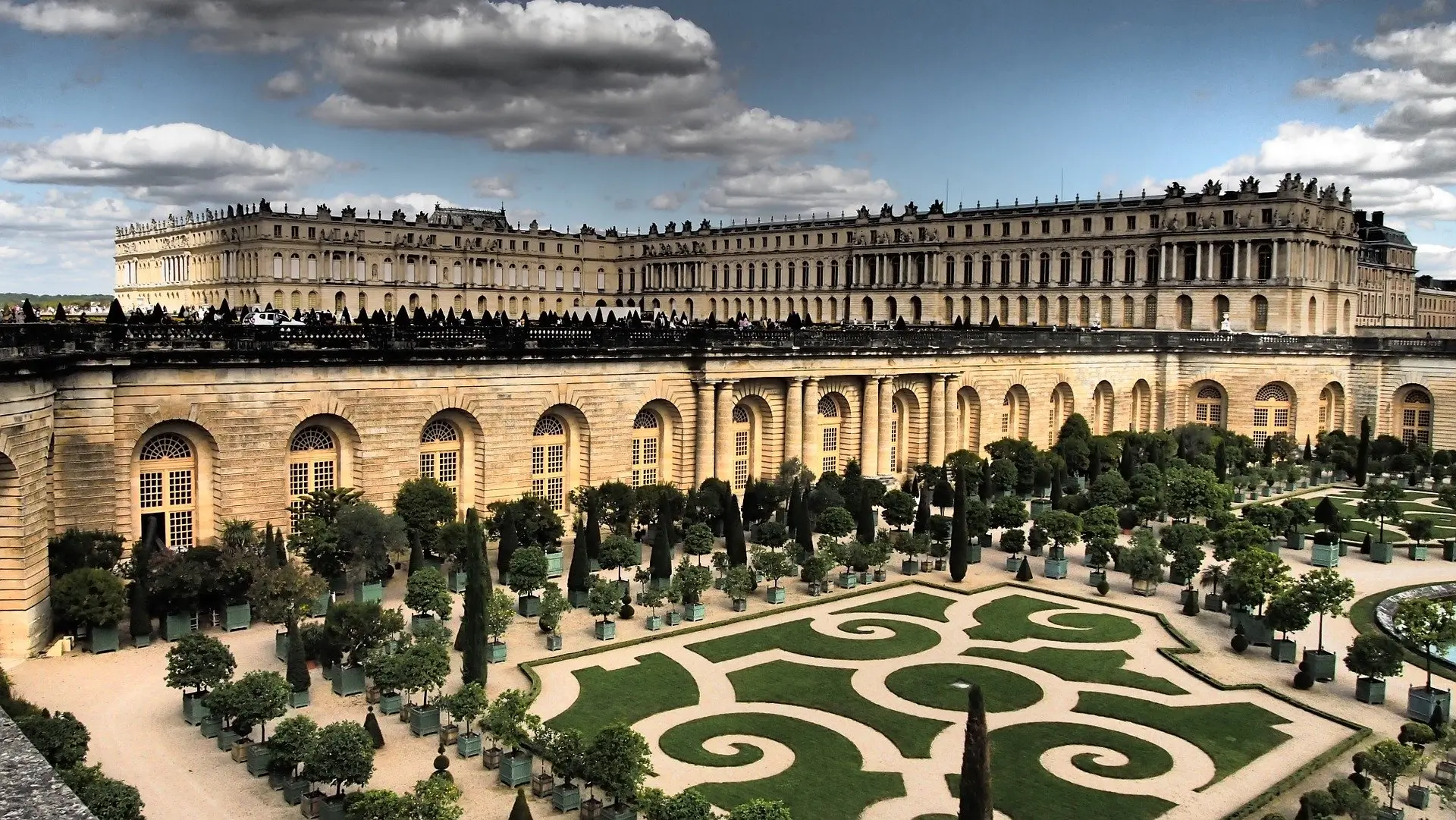
To view a typical itinerary of this kind, this page provides a good overview: Yvette River Trail – hiking and walking routes. It also gives you an idea of the type of terrain and the atmosphere.
The right reflex to maximize pleasure
On the busiest sections, aim for off-peak times: early in the morning or late afternoon. You'll enjoy the sounds of the water and the tranquility more, without sacrificing the comfort of an easy route.
How to choose the best sections according to your goal
The best portion size isn't the same for everyone. Here's a simple guide to help you choose the right one:
For initial contact : focus on a segment that is accessible from a train station, with little elevation gain and a clear path. The Saint-Rémy-lès-Chevreuse → Chevreuse duo ticks almost all the boxes.
For a contemplative walk : Favor more natural areas, with wet meadows and undergrowth. That's where you'll have the best chance of seeing beautiful wildlife (birds, dragonflies, etc.).
To work up a sweat : add the hillside. A few climbs are enough to turn a walk into a real hike.
For a breath of fresh air : try transitioning to the plateau. It's more open, brighter, and completely changes the pace of walking.
Practical information: access, duration, terrain, season
Access : Many departures are easily accessible by public transport. The appeal of the Yvette lies precisely in offering linear routes with a simple return journey, or loops without complicated logistics.
Duration The best segments are suitable for both 45 minutes and 3–4 hours. For a comfortable outing, aim for 2 hours: long enough to disconnect, short enough to stay light.
Land : Sometimes wet riverbank, paths through the woods, some stabilized sections. In fall/winter, wear shoes with good traction that can handle mud.
Seasons In spring, the valley is very lively; in summer, seek shade in the wooded areas; in autumn, the colors on the hillsides are superb; in winter, stick to the easily accessible sections and only expose yourself to the wind on the plateau if you are well equipped.
Additional hiking ideas (for variety without getting sidetracked)
If you want to explore further, the best thing to do is to choose loops that have already been tested and described, then adapt them to your level and time. This selection provides some good ideas for doing so: 20 hikes to do around the Yvette (river). The idea is to compare distances, difficulty levels, and points of interest in order to choose a route that suits your mood on the day.
Need a vacation rental in the 78? Book directly!
You can also refer to an overview of the official circuits (useful for identifying themed loops and variants): Hiking trails.
Small mistakes to avoid on the banks of the Yvette
Relying solely on intuition Some sections may look similar but are not equally comfortable to walk on. A pleasant 500-meter path may become less clear further on. It is best to set off with a clear idea of the route (start/finish) and a backup option.
Underestimating humidity The water's edge is beautiful... and sometimes very muddy. Even on a short outing, the right shoes make all the difference.
Forget cohabitation On developed sections, you may encounter joggers, families, and sometimes bicycles on certain paths. Keep to the right, anticipate overtaking, and enjoy yourself without getting tense.
Extend your trip: where to stay to explore several sections
The real luxury in the valley is being able to walk for two days in a row without repeating the same scenery: one day along the water, one day in the hills, then a change of pace in the open spaces. If you're thinking of putting down your bags and exploring, here's a useful tip: Where to stay to explore the valley.
And if you're comparing different options for staying green (space, autonomy, cooking, tranquility), this article can help you decide: A seasonal rental in the countryside: the advantages.
Plan a weekend: 3 winning combinations around the Yvette
Combo 1 (easy and very enjoyable) : a stretch along the valley floor in the morning, a break in Chevreuse, and a leisurely return in the afternoon. Perfect for a gentle pace.
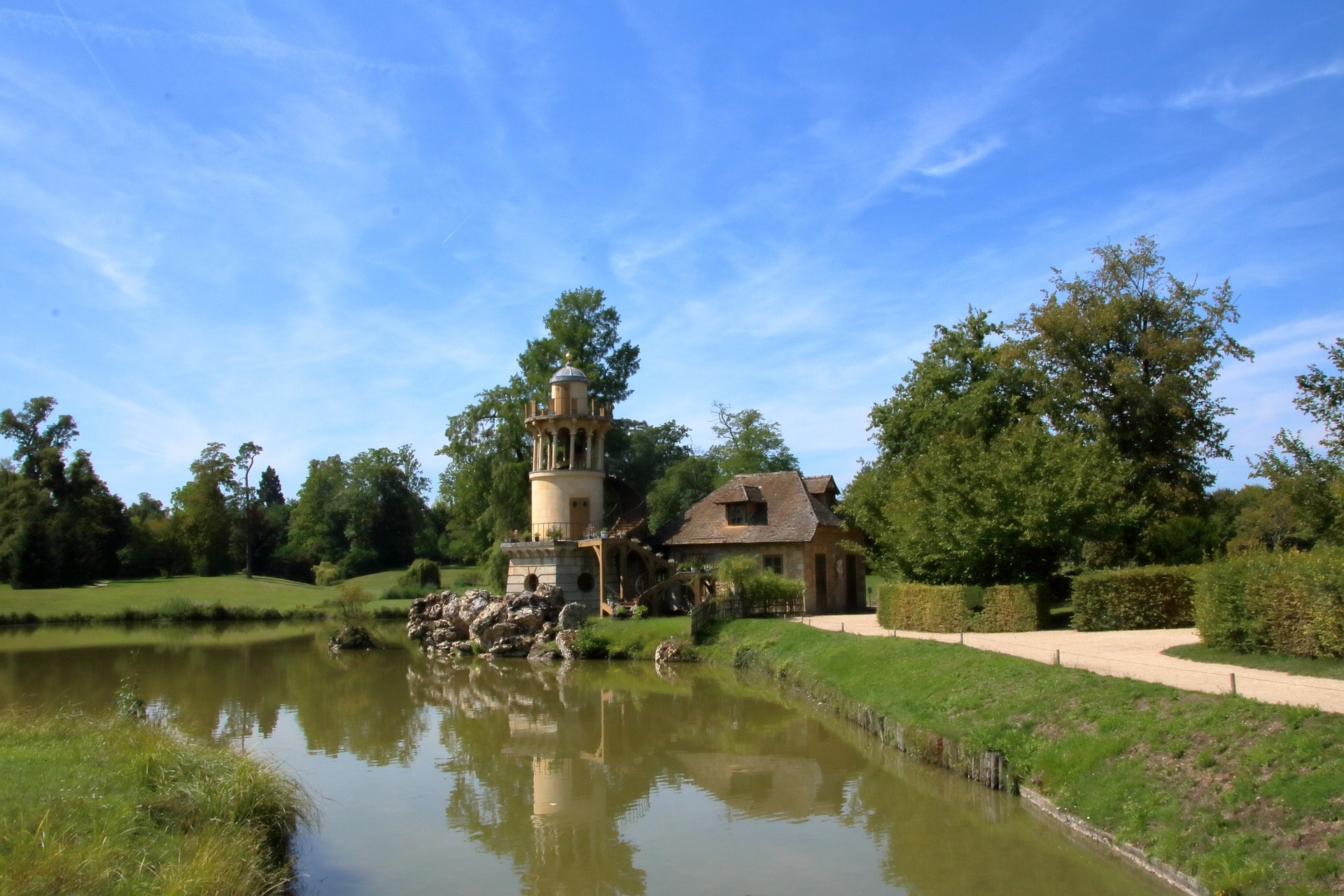
Combo 2 (sports and views) : riverbank + hillside on a loop. You alternate between the coolness of the water's edge and panoramic views from higher ground.
Combo 3 (full contrast) : valley in the morning, plateau in the afternoon. One day, two contrasting atmospheres.
If you're looking for other ideas for nature getaways that are off the beaten track, you can also read: A nature weekend off the beaten track.
Final tip: choose a base as close as possible to the departure points.
The success of an outing on the Yvette often depends on simple details: leaving early, avoiding unnecessary detours, and above all, reducing logistics. Having a base close to the best starting points allows you to walk more and drive less.
For an option in this sector, you may be interested in this page: Why choose Chevreuse for a nature getaway near Paris?.
CTA: book and enjoy the valley without stress
If you want to organize your trip easily and schedule several sections over two or three days, you can book here: Book directly.